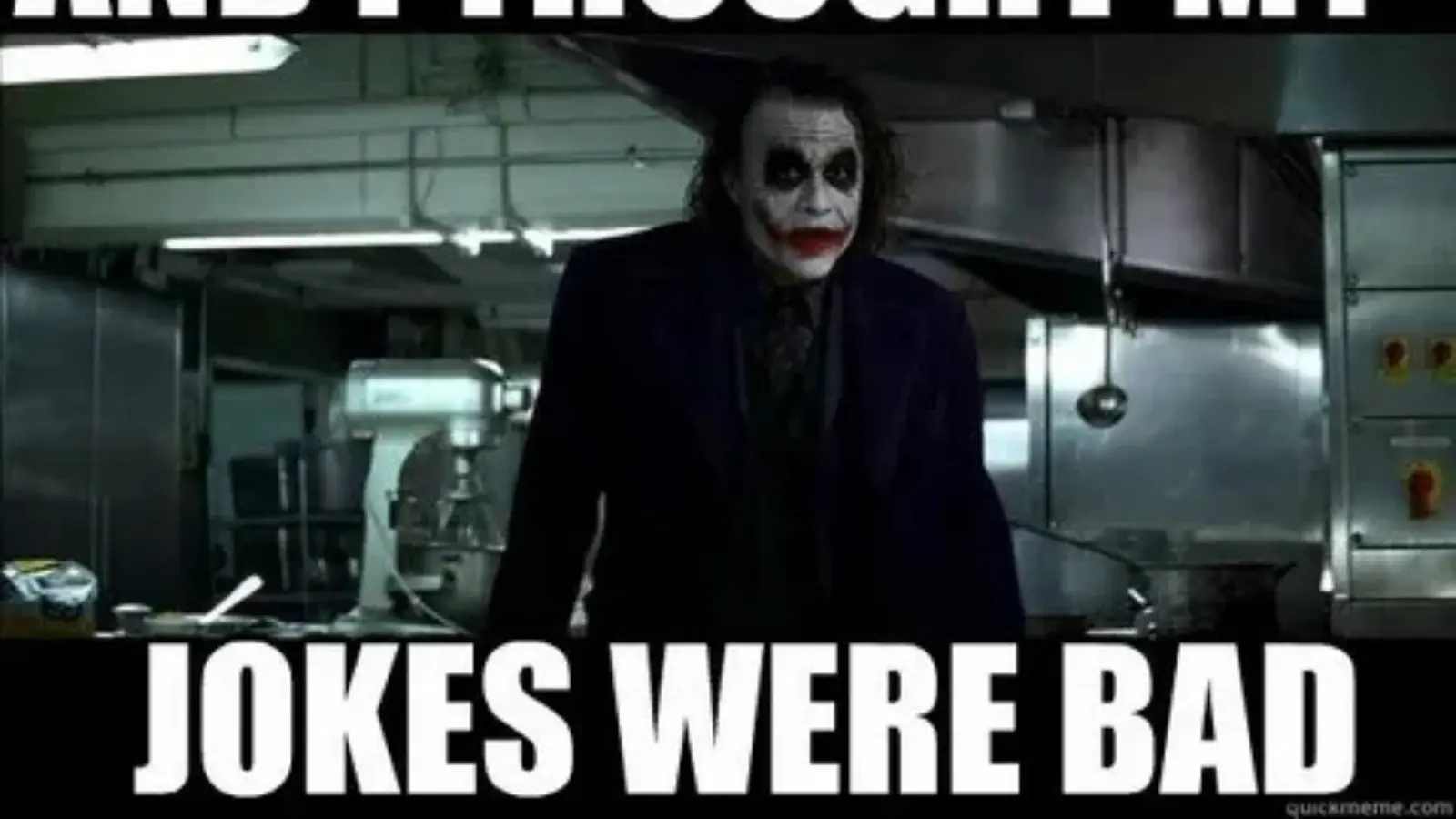
Have you ever laughed at a joke so painfully bad you immediately questioned your life choices?
You know the kind. The punchline lands like a soggy pancake. Your eyes roll. Your soul sighs. And yet… you laugh. Maybe it’s awkward. Maybe it’s dramatic. Maybe it’s a full-on wheeze.
That, my friend, is the chaotic magic of the bad joke meme.
In a world obsessed with perfect punchlines and clever wit, bad joke memes are the rebellious little gremlins of humor.
They are cringe. They are cheesy. They are groan-worthy. And somehow? They’re wildly shareable, emotionally bonding, and algorithm-friendly.
Let’s dive deep into the psychology, SEO power, emotional triggers, and viral dynamics of the bad joke meme — and why it continues to dominate feeds, hearts, and group chats everywhere.
The Psychology Behind the bad joke meme and Why Our Brains Can’t Resist It
-
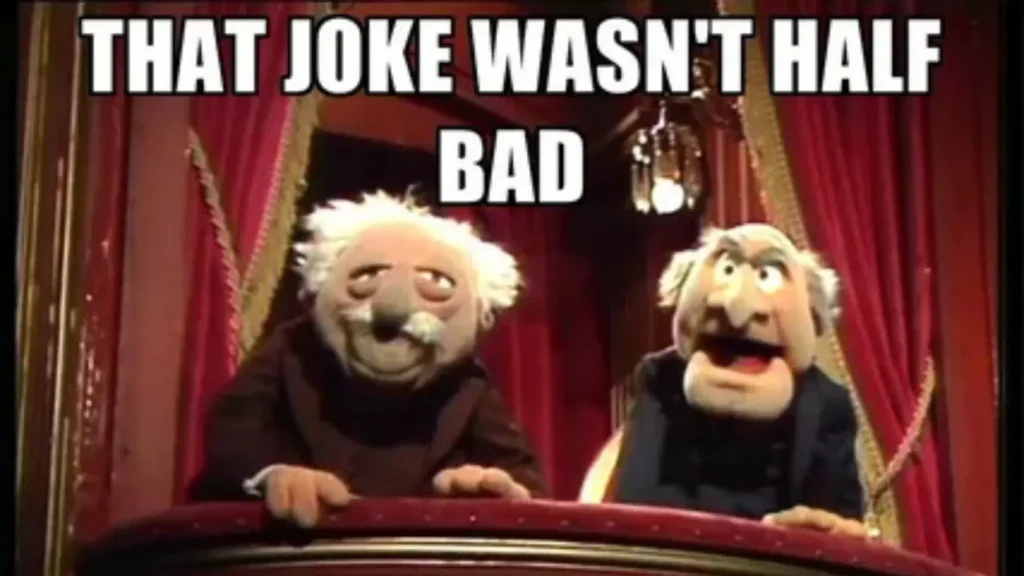
🧠 Cognitive dissonance creates laughter – Your brain expects clever humor but gets a predictable pun instead. That tension triggers nervous laughter.
-
😅 Relief theory at play – The punchline is so obvious it releases built-up anticipation instantly.
-
🤯 Expectation subversion – Even bad jokes break patterns in small ways, activating novelty response.
-
🙈 Social embarrassment bonding – Cringing together builds connection.
-
💞 Low-stakes humor – No politics, no controversy, just safe silliness.
-
😂 The “so bad it’s good” phenomenon – Irony adds a second humor layer.
-
🧩 Pattern recognition pleasure – Simple puns are easy for the brain to process.
-
🫠 Emotional micro-relief – Tiny mood boost during stress scrolling.
-
👀 Anticipatory cringe dopamine – You know it’ll be bad. You still want it.
-
💬 Comment bait power – People love reacting with “I hate this” while smiling.
-
📱 Snackable humor format – Perfect for short attention spans.
-
🎭 Performative humor culture – Sharing bad jokes signals self-awareness.
-
🧡 Nostalgia effect – Feels like dad jokes and childhood giggles.
-
🔁 Repetition comfort – Predictable humor feels emotionally safe.
How the bad joke meme Became a Viral Internet Love Language
-
💌 Shared cringe = shared intimacy – Sending one says, “I thought of you.”
-
📲 DM culture fuel – Easy, low-effort connection starter.
-
🫶 Group chat glue – Instantly lightens tense conversations.
-
🧃 Wholesome meme trend shift – Internet fatigue drove users toward soft humor.
-
🎀 Aesthetic meme pages – Cute fonts + bad jokes = irresistible.
-
💥 High shareability factor – Quick laugh, quick repost.
-
🧠 Algorithmic engagement loops – Reactions boost visibility.
-
😭 Relatable humor energy – “This is so dumb” is universal.
-
🎁 Digital gifting culture – A meme is today’s tiny present.
-
🌈 Low-barrier humor – Anyone can understand it.
-
🪄 Irony era influence – Gen Z thrives on absurdism.
-
📸 Template adaptability – Easy to remix.
-
🧸 Comfort content category – Soft humor during heavy news cycles.
-
💖 Emotional shorthand – One meme can say, “Smile.”
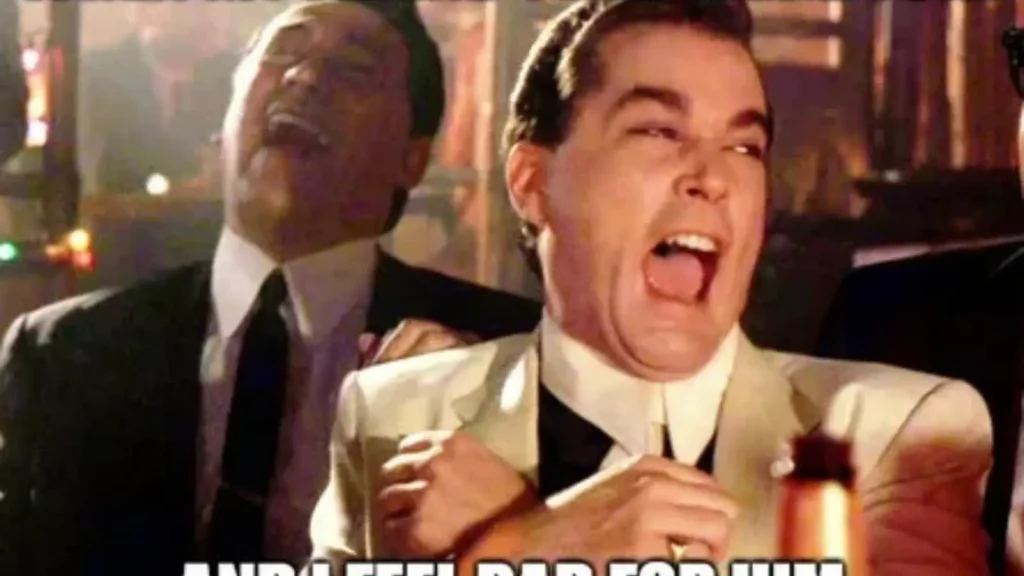
Why the bad joke meme Outperforms Clever Humor Online
-
⚡ Fast processing time – Simpler jokes mean quicker engagement.
-
📈 Higher completion rate – No long setups required.
-
💬 Comment magnet effect – People react strongly.
-
🔄 More share triggers – Easy humor spreads faster.
-
🧩 Lower cognitive load – Brain likes easy wins.
-
🥰 Broad demographic appeal – Kids to grandparents.
-
📊 Algorithm preference for reactions – Groan-laugh comments boost reach.
-
🎯 Clear emotional signal – Immediate tone recognition.
-
📱 Mobile-first format – Works well on small screens.
-
🫶 Wholesome vibe advantage – Brand-safe humor.
-
🔁 High rewatch value – Screenshottable and reusable.
-
🪄 Predictable punchline anticipation – Encourages reading to the end.
-
💡 Easily remixable structure – Supports user-generated content.
-
🌟 Memorable absurdity – Sticks longer than complex jokes.
Emotional Triggers Hidden Inside Every bad joke meme

-
🥹 Playfulness – Feels childlike and light.
-
🤭 Secondhand embarrassment – Deliciously awkward.
-
💕 Affection signaling – Often paired with hearts or cute visuals.
-
😌 Stress reduction – Micro mood reset.
-
🧁 Soft absurdity – Unexpectedly comforting nonsense.
-
👯 Belonging cues – Inside-joke energy.
-
🧡 Safe vulnerability – You’re allowed to be silly.
-
😹 Exaggerated simplicity – Dramatic build, silly payoff.
-
🌼 Gentle humor style – Non-aggressive laughter.
-
💭 Predictability comfort – Brain relaxes.
-
🎈 Light dopamine spike – Tiny reward cycle.
-
🫂 Connection through cringe – Shared awkwardness bonds.
-
🌙 Late-night scroll companion – Low emotional investment.
-
✨ Joy without effort – Easy emotional payoff.
The Anatomy of a Perfectly Imperfect bad joke meme
-
📝 Short setup line – Clear and simple.
-
⏳ Tiny pause before punchline – Creates tension.
-
🤦 Predictable wordplay – Puns are king.
-
🧀 Cheesy twist – That’s the point.
-
💗 Cute visual element – Pastel or playful fonts.
-
📸 Relatable image background – Animals, food, daily life.
-
🎭 Exaggerated reaction caption – “I’m sorry.”
-
💥 Over-the-top punchline delivery – Dramatic reveal.
-
🪞 Self-aware tone – Knows it’s bad.
-
🧠 Easy-to-read typography – Mobile friendly.
-
🎀 Emotional emoji pairing – Adds softness.
-
🔁 Reusable template – Encourages copycats.
-
🗣️ Conversational phrasing – Feels human.
-
💌 Shareable format – Screenshot-ready.
How to Create a Viral bad joke meme That People Actually Share
-
💡 Start with everyday topics – Food, pets, weather.
-
🧩 Use simple wordplay structures – Puns, homophones.
-
🧠 Think “dad joke energy” – Safe and goofy.
-
🎀 Add aesthetic appeal – Soft colors or bold text.
-
📱 Optimize for vertical screens – 4:5 ratio works well.
-
⏱️ Keep it under 10 seconds to read – Scroll-proof.
-
💬 Invite reaction captions – “Tag someone.”
-
🫶 Lean into cringe intentionally – Don’t try too hard.
-
🔄 Test in small communities first – Gauge reactions.
-
🧁 Keep tone light and universal – Avoid niche sarcasm.
-
🎯 Use emotionally safe themes – No sensitive topics.
-
📊 Track saves and shares – Strong ranking signals.
-
🤭 Embrace simplicity – Overthinking kills humor.
-
💖 End with warmth – A heart emoji never hurts.
The Cultural Evolution of the bad joke meme Across Generations
-
👴 Boomer dad jokes influence – Classic pun culture.
-
📺 Sitcom laugh track nostalgia – Predictable humor rhythm.
-
💾 Early internet meme boards – Simplicity reigned.
-
📱 Tumblr irony phase – Meta-humor grew.
-
🧃 Gen Z absurdist twist – Randomness added.
-
🎨 Aesthetic meme era – Soft visuals merged with jokes.
-
💬 DM-first humor sharing – Private laughter culture.
-
🎧 Short-form video adaptations – Reels & TikTok.
-
🧠 Self-aware humor trend – “I know it’s bad.”
-
🌈 Inclusive humor shift – Safer comedy.
-
🪩 Reaction meme culture – Groans became content.
-
💻 Remote work meme boom – Light humor needed.
-
🧁 Comfort-core aesthetics – Cozy content trend.
-
💕 Wholesome irony era – Cringe became cute.
Why Brands Secretly Love Using the bad joke meme Strategy
-
🛍️ Non-offensive engagement – Safe marketing.
-
📈 Higher comment rates – Reactions fuel reach.
-
🧠 Memorability boost – Simple jokes stick.
-
🧃 Relatable brand voice – Feels human.
-
💬 Conversation starter tool – Easy CTA.
-
🎯 Mass audience appeal – Low barrier entry.
-
📲 Perfect for social ads – Quick hook.
-
🪄 Soft-sell technique – Humor disarms resistance.
-
💖 Positive emotional association – Mood uplift.
-
🔄 High reshare probability – Organic reach.
-
🫶 Community-building effect – Inside jokes.
-
📊 Engagement signal amplification – Saves matter.
-
🤭 Self-deprecating tone option – Builds trust.
-
🌟 Algorithm-friendly content – Reactions drive distribution.
The SEO Power of the bad joke meme in Modern Search
-
🔍 Long-tail keyword opportunities – “Cute bad joke meme.”
-
🧠 Search intent alignment – Humor + entertainment.
-
📈 Featured snippet potential – Short answers.
-
💬 Voice search compatibility – Easy phrasing.
-
📱 Mobile-first content strength – Meme culture lives on phones.
-
🧩 Semantic keyword clusters – Dad jokes, cringe humor, pun memes.
-
🔄 High dwell time potential – Scroll-worthy lists.
-
🧃 Low competition niches – Specific meme variations.
-
📊 User-generated content boost – Organic backlinks.
-
🎯 Emotional keyword resonance – “Wholesome meme.”
-
💖 Brand personality integration – SEO + tone.
-
🧠 NLP-friendly simplicity – Clear language.
-
🌈 Evergreen content viability – Humor rarely expires.
-
✨ Algorithm engagement signals – Shares + saves.
Emotional Marketing Lessons We Can Learn from the bad joke meme
-
💕 Simplicity wins hearts.
-
🧠 Clarity beats cleverness.
-
🤭 Vulnerability builds connection.
-
🎀 Soft aesthetics amplify emotion.
-
🫶 Shared cringe = shared trust.
-
📲 Low-pressure content performs better.
-
💬 Conversation matters more than perfection.
-
🌼 Lightness attracts loyalty.
-
🧁 Comfort content converts.
-
🔄 Repetition builds familiarity.
-
💖 Emotion outranks logic.
-
🎯 Universal themes travel farther.
-
✨ Joy is a marketing strategy.
-
🌈 Human-first always wins.
Common Mistakes That Ruin a bad joke meme
-
🚫 Overcomplicating the punchline.
-
😬 Trying too hard to be clever.
-
📢 Using offensive humor.
-
🧱 Too much text clutter.
-
🎭 Lack of self-awareness.
-
📱 Poor mobile formatting.
-
🧠 Inside jokes no one understands.
-
🔄 Repeating stale templates.
-
🫥 Emotionless delivery.
-
🧀 Not cheesy enough.
-
🎯 No clear setup structure.
-
💬 Ignoring engagement prompts.
-
📊 No testing before posting.
-
💔 Forgetting warmth.
The Social Bonding Effect of Sharing a bad joke meme
-
💌 Tiny digital love notes.
-
👯 Strengthens friendships.
-
🫶 Builds shared humor identity.
-
😅 Breaks awkward silence.
-
📲 Reopens cold conversations.
-
💕 Signals affection subtly.
-
🎈 Creates low-risk interaction.
-
🌙 Late-night bonding ritual.
-
🤭 Inside joke development.
-
🧠 Shared memory creation.
-
🧁 Comfort in tough times.
-
💬 Encourages playful teasing.
-
🌈 Cross-generational humor bridge.
-
✨ Turns cringe into closeness.
How the bad joke meme Reflects Internet Humor Trends
-
🎭 Shift from edgy to wholesome.
-
🧠 Meta-awareness culture.
-
📱 Short-form dominance.
-
💕 Emotional relatability focus.
-
🫶 Community-driven sharing.
-
🔄 Template remix economy.
-
🎀 Aesthetic minimalism rise.
-
🤭 Irony layered humor.
-
📊 Engagement-first creation.
-
🌈 Comfort-core movement.
-
🧁 Safe humor era.
-
💬 Comment-driven virality.
-
🧠 Algorithm-influenced creativity.
-
✨ Human-first digital storytelling.
The Future of the bad joke meme in an AI-Driven World
-
🤖 AI-generated pun variations.
-
📊 Data-optimized humor formats.
-
🧠 Personalized meme feeds.
-
💬 Conversational meme bots.
-
🎀 Hyper-aesthetic design automation.
-
📱 Augmented reality joke overlays.
-
🫶 Community remix AI tools.
-
🔄 Adaptive humor based on mood.
-
💕 Emotion-tracking meme suggestions.
-
🧁 Micro-content ecosystems.
-
🌈 Cross-platform share integration.
-
🎯 Predictive engagement analytics.
-
🤭 Irony cycles accelerating.
-
✨ Human warmth remaining irreplaceable.
FAQ: Everything You’ve Wondered About the bad joke meme
1. Why do people enjoy bad joke memes even when they’re not funny?
Bad joke memes trigger cognitive dissonance and low-stakes humor. The simplicity creates a quick dopamine release without heavy thinking. People laugh at the predictability, the cringe, and the shared awkwardness. It becomes less about the punchline and more about connection. The “so bad it’s good” dynamic adds irony, which modern internet culture loves. It’s emotional comfort disguised as cheesy humor.
2. Are bad joke memes good for social media engagement?
Yes, extremely. They generate comments, reactions, and shares because they invite playful responses like “This is terrible” or “I love this.” Algorithms favor engagement signals, and bad joke memes are safe, brand-friendly content. Their simplicity improves completion rates and encourages tagging behavior, boosting organic reach.
3. How can I make my own bad joke meme go viral?
Focus on simplicity, universal themes, and emotional warmth. Use short setups, obvious puns, and clean visuals optimized for mobile screens. Encourage interaction with captions like “Tag someone who’d laugh at this.” Test variations and track saves and shares to refine your humor style.
4. What makes a bad joke meme different from a regular meme?
A bad joke meme relies on predictable wordplay or cheesy puns rather than sharp satire or complex humor. The cringe factor is intentional. It’s self-aware, soft, and emotionally safe, while many regular memes lean into sarcasm or niche references.
5. Why are bad joke memes popular with Gen Z?
Gen Z embraces irony and absurdity. They enjoy humor that’s intentionally low-effort or awkward. The layered self-awareness — knowing it’s bad while loving it anyway — fits modern meme culture and short-form scrolling behavior.
6. Can brands safely use bad joke memes in marketing?
Absolutely. When done tastefully, they create warmth and relatability without controversy. Brands that use light, cheesy humor often see higher engagement and positive emotional association.
7. Do bad joke memes help with SEO?
Yes. They target long-tail humor queries, increase dwell time, and encourage user-generated content sharing. When optimized with semantic keywords like “dad jokes,” “cringe memes,” and “wholesome humor,” they can rank well in search engines.
8. Will bad joke memes stay popular in the future?
Most likely. As long as people crave lightness and connection, simple humor will thrive. Technology may evolve, but emotional bonding through shared cringe is timeless.
Final Thoughts: Embracing the Beautiful Chaos of the bad joke meme
The world feels heavy sometimes. Deadlines. Notifications. Breaking news. Expectations.
And then… someone sends you a painfully cheesy pun wrapped in pink hearts.
You roll your eyes. You laugh anyway. And for a split second, the weight lifts.
That’s the magic of the bad joke meme. It’s not about perfection. It’s about playfulness. It’s about human connection. It’s about allowing yourself to giggle at something wonderfully, unapologetically dumb.
And honestly? We need more of that.
